
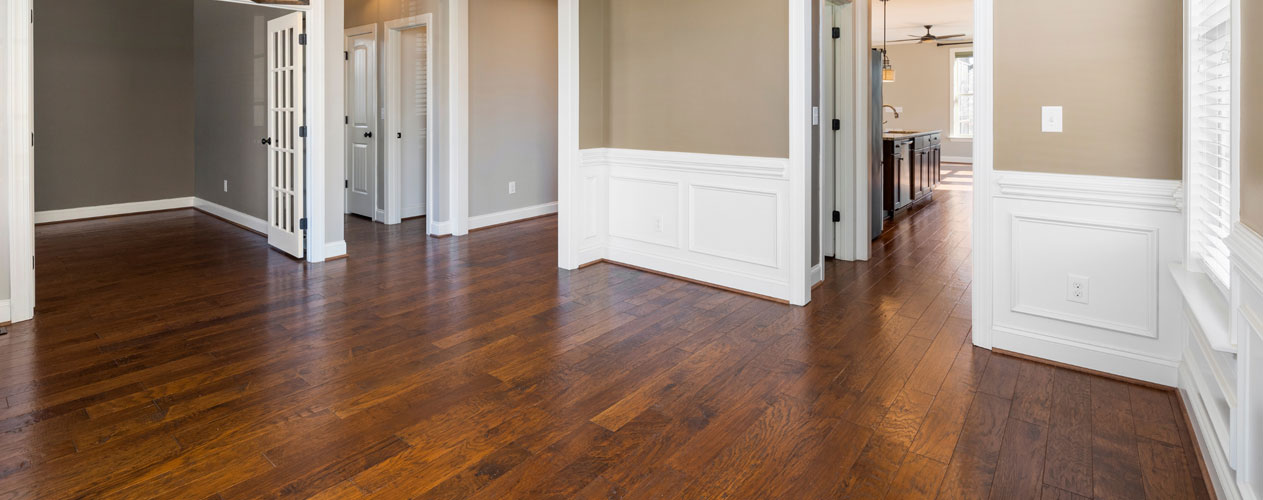
Flooring is one of the most critical elements in both residential and commercial properties. It defines the character of a space, influences comfort, and directly affects long-term value and maintenance. Whether you’re upgrading your home or planning a large-scale commercial project, understanding the nuances of floor installation helps ensure your investment delivers both style and substance.
Why Flooring Matters in Every Setting
The right flooring enhances the aesthetic, improves functionality, and boosts property value. In homes, it’s about comfort and style, while in commercial settings, durability, safety, and design coherence take center stage.
Let’s break down the key differences and expectations between residential and commercial floor installations and how to choose the ideal option for your space.
1. Residential Floor Installation: Comfort Meets Style
In residential settings, flooring plays a major role in creating a cozy, welcoming environment. Homeowners often prioritize:
- Aesthetic appeal – Choices like hardwood, luxury vinyl, and tile are popular for their elegant finishes and versatility in home interiors.
- Comfort underfoot – Carpeting or cushioned vinyl is preferred in bedrooms and living areas for warmth and softness.
- Low maintenance – Families look for flooring that can withstand spills, pets, and kids while being easy to clean.
Popular Residential Flooring Options:
- Hardwood Flooring – Classic, timeless, and adds resale value.
- Vinyl Planks – Affordable, water-resistant, and stylish.
- Ceramic Tiles – Ideal for kitchens and bathrooms due to water resistance.
- Engineered Wood – Offers the look of hardwood with better moisture resistance.
2. Commercial Floor Installation: Durability and Branding
Flooring in commercial spaces must meet a higher standard of performance. It needs to accommodate heavy foot traffic, furniture movement, and align with brand aesthetics.
Key Considerations for Commercial Flooring:
- Durability – Materials like epoxy, commercial-grade vinyl, and polished concrete handle high traffic with ease.
- Safety – Anti-slip surfaces are critical in offices, stores, hospitals, and restaurants.
- Design impact – Flooring must complement interior branding and layout flow.
Popular Commercial Flooring Types:
- Epoxy Coatings – Seamless, strong, and ideal for warehouses or showrooms.
- Commercial Carpet Tiles – Great for offices with easy replacements.
- Luxury Vinyl Tile (LVT) – Combines style and resilience for high-traffic retail or hospitality spaces.
3. Installation Process: What to Expect
Whether residential or commercial, professional floor installation typically involves the following steps:
- Site Inspection & Measurement
A technician evaluates the subfloor condition, moisture levels, and takes accurate dimensions. - Material Selection & Delivery
Your chosen flooring material is delivered and left to acclimate if necessary (especially with wood). - Subfloor Preparation
Cleaning, leveling, or even replacing parts of the subfloor to ensure smooth installation. - Installation
Techniques vary—floating, glued-down, nailed, or click-lock—depending on the floor type. - Finishing & Cleanup
Baseboards, trims, and sealants are added; the area is cleaned for immediate use.
4. Choosing the Right Flooring Partner
The quality of floor installation depends heavily on the expertise of your contractor. When choosing a provider, consider:
- Years of experience in both residential and commercial sectors
- Customer reviews and project portfolio
- Warranty on labor and materials
- Clear, transparent pricing and timeline
At [Your Company Name], we specialize in both residential and commercial floor installation, offering a wide range of premium materials and expert craftsmanship tailored to your needs.
Final Thoughts
From the comfort of home to the functionality of a busy commercial environment, flooring makes a lasting impact. Choosing the right material and working with experienced professionals ensures you get a floor that’s not just beautiful, but built to last.
Looking for expert flooring installation? Contact us today for a free consultation and let’s bring your vision to life—one step at a time.